Closing Circles Reading Group: Active Hope by Joanna Macy and Chris Johnstone
🗓️ Wednesday 8 July 2026, 6-8pm at Void Art Centre
🔗Register via the link HERE
Join us for the next ‘Closing Circles’ Reading Group – this time, we’re moving from online to an in person session at Void.
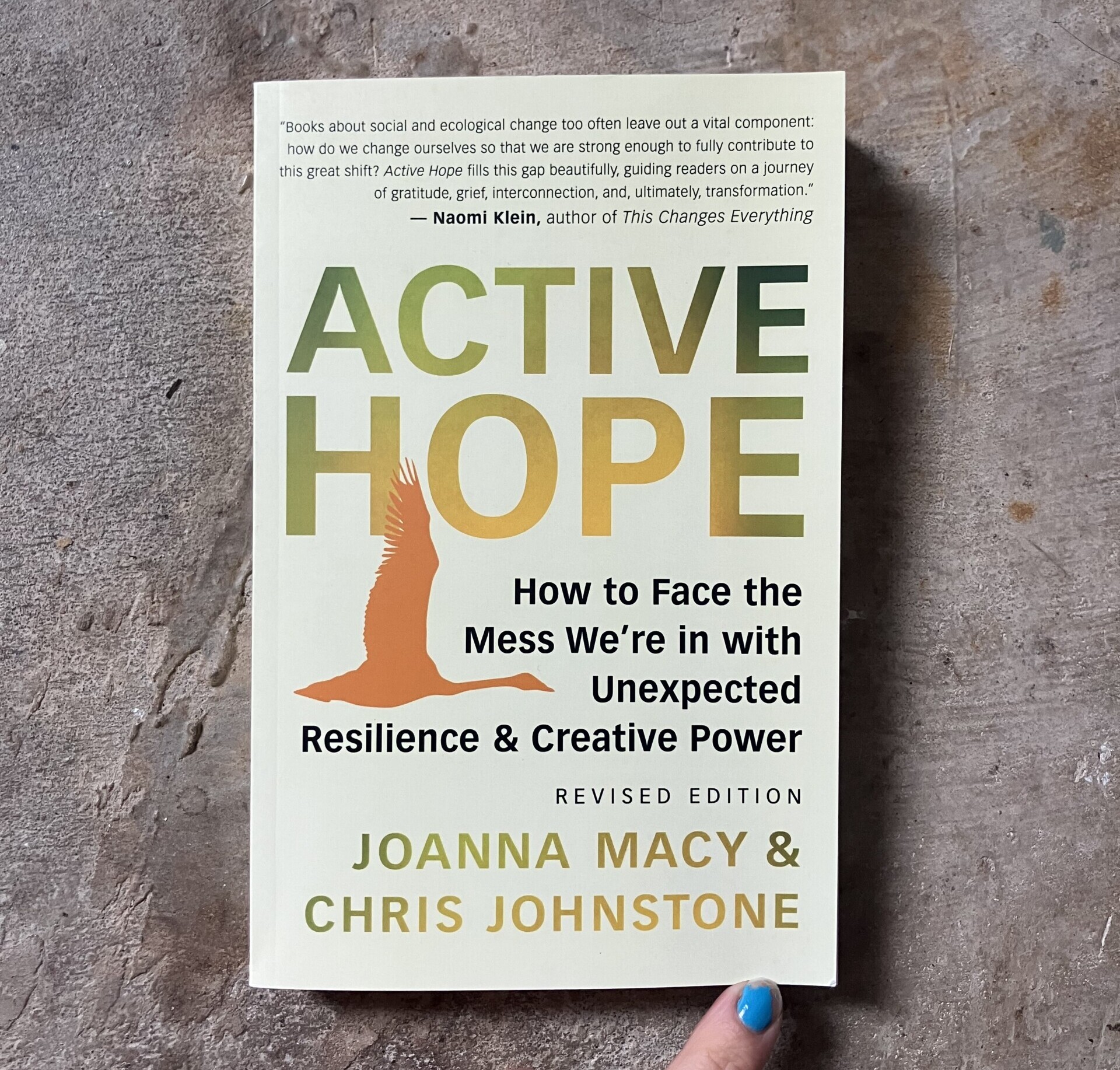
📖 For this session, we’ll be reading excerpts from the text ‘Active Hope’ by Joanna Macy and Chris Johnstone. This book was recommended to us by Eve Olney, a socially engaged artist, activist, curator and educator who recently facilitated a training session with the team as part of our programme Re-turning.
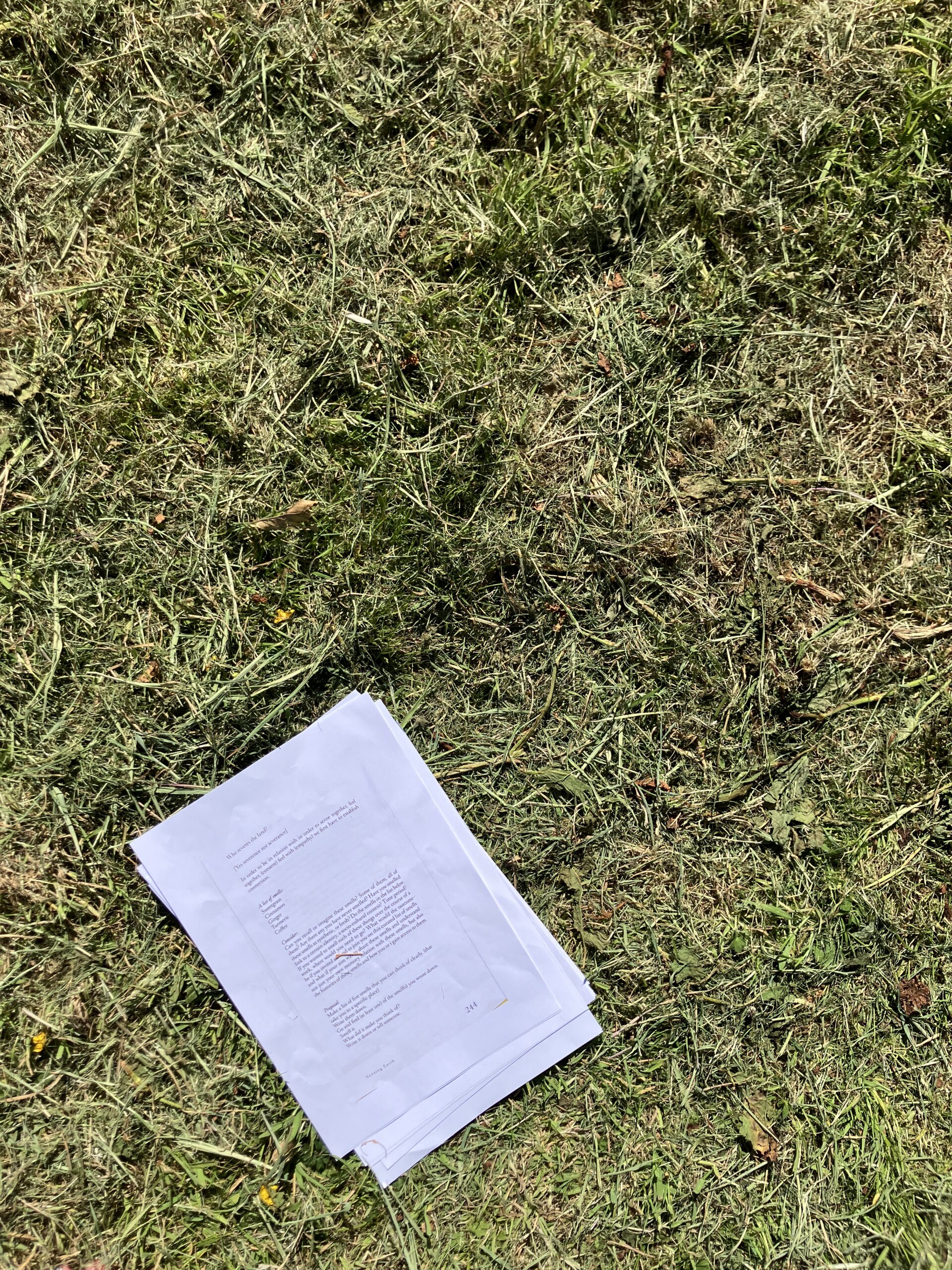
‘Active Hope’ expands on the role that hope plays in times of crisis, and equips us with tools to create a life-sustaining society 🤝 The book looks at the challenges we face due to climate change, political polarisation, economic upheaval and the planetary emergency, and proposes ways that we can strengthen our capacity to face this crisis with unexpected resilience and creative power.
ℹ️ You will be sent a digital excerpt of the text in advance, with a physical copy available during the session. The session will involve a collective, out loud reading – please do let us know if you have access requirements by emailing cecelia@derryvoid.com.
📦 Collective Arpentage Reading: Arkive City edited by Julie Bacon 📦
🗓️ Wednesday 6 May 2026, 6-8pm at Void Art Centre
🔗 Free Registration at the link above.
As part of our project Re-turning, join us for a collective reading of the text ‘Arkive City’ edited by Julie Bacon. Join us for our next Arpentage Collective Reading as part of our project Re-turning which recognises the many hands involved in shaping Void’s past, present and future. This project will include a contribution by PhD researcher Ashab Ahmad, who will present material from Orchard Gallery, Derry’s first contemporary visual arts organisation.
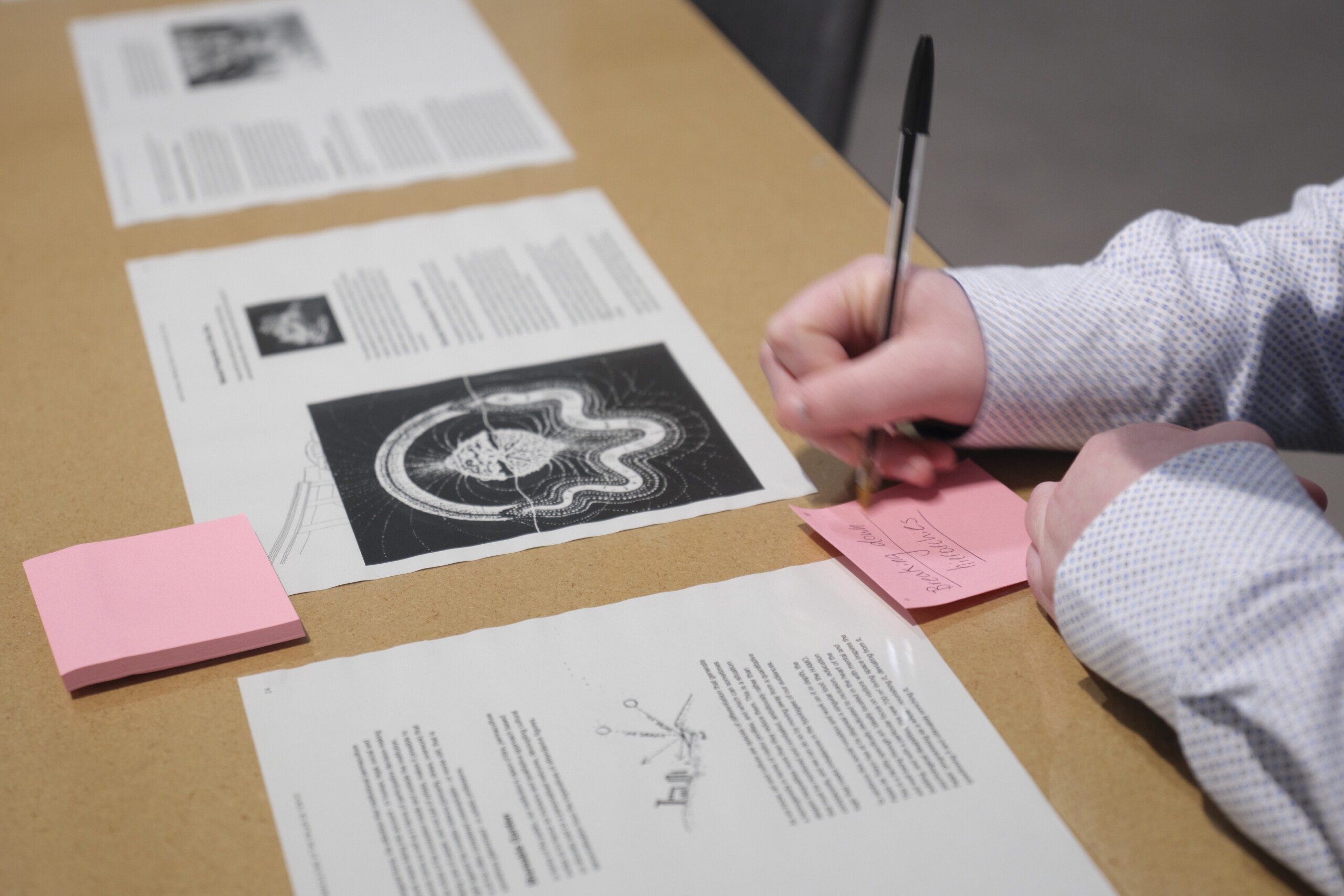
To expand on Ashab’s contribution we will read Arkive City, an anthologyedited by Julie Bacon which investigates the role of archives in contemporary society. Contributions in the book map out important questions and shifts in interest that have arisen from the changing role of archiving in culture and its relationship with the arts, through their work curating exhibitions in museums, (de)constructing (art) history, running library and government archives, initiating archives in arts organisations and shaping individual practice.
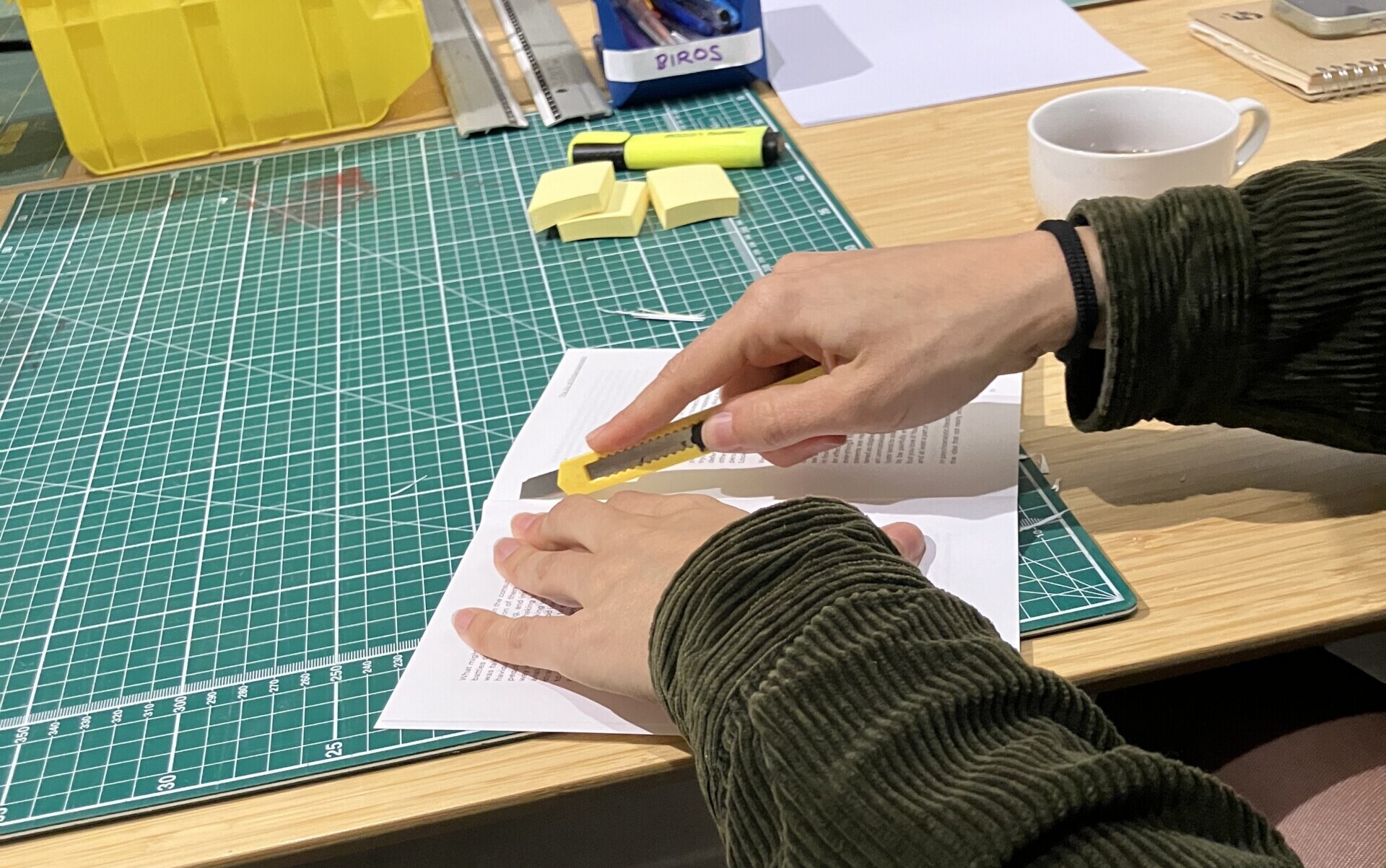
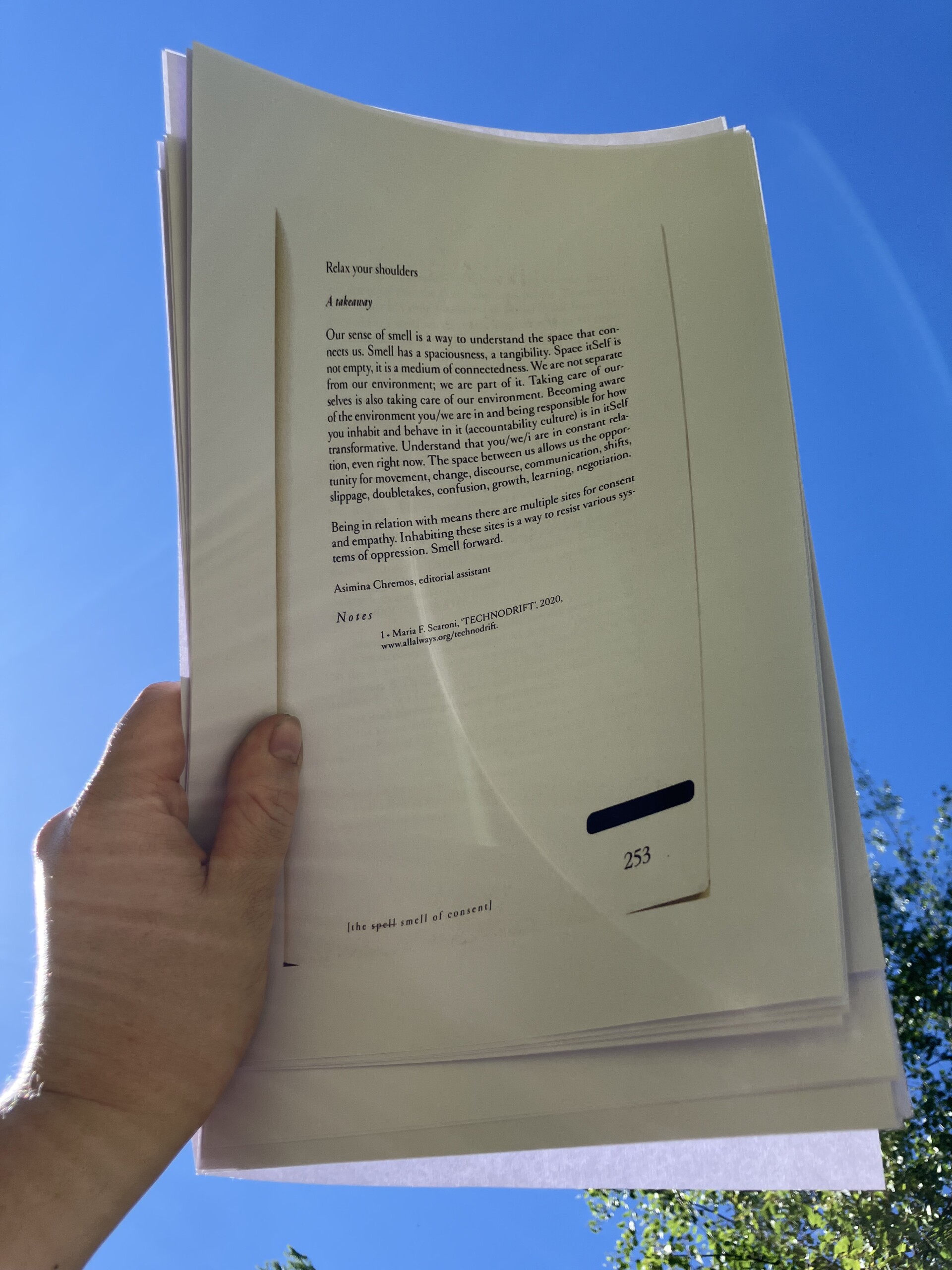
ℹ️ An arpentage is a method of reading that originated in Italian workers’ circles, aimed at sharing knowledge collectively. The process involves cutting up a book, with each person reading one section. We recount our sections out loud, and with this, read the book together. This way, books that include theory become more accessible and generate conversation.
Online via Zoom (check out the link in our bio above)
Join us for a reading group responding to the ways in which institutional governance and practices of production are being re-configured within arts organisations.
This marks the second in the series, with selected readings and listenings having a focus on the alternative ways in which we can produce, present and distribute art projects, as well as question modes of hyper-production and novelty within organisational models.
The reading groups reflect Void Art Centre’s ongoing transition, with Social Permaculture models shaping our internal and external working practices. For us, it’s important to make facets of this transition public, sharing readings that rethink embedded modes of institutional practice for collective discussion with peers, future friends and likeminded practitioners. By creating opportunities to learn together, we hope to think through potential models for future organisations.
This reading group will take online, with readings and a zoom link sent one week in advance. Register for free at the link in our bio above.
Friday 6 March 2026, 3-4pm, on site at Void Art Centre.
In March, we will begin to host a monthy writing group engaged with ecopoetics, initiated by poet and researcher Dr Katharina Maria Kalinowski. Ecopoetics is an array of creative and critical practices concerned with the environment, place and human-nature interconnections. Echoing Void’s interest in local and global ecologies, this group invites participants to explore interactions between language and the physical-material world.
Together, we will read sample texts, go on poetic walks, discuss exhibitions and, of course, write! The focus is on poetry and interartistic work that raises the question of what counts as poetry?
This group is aimed at adults, with no previous writing experience needed.
Please let us know if you have any access requirements by messaging us at hello@derryvoid.com, or calling us at +44 (0) 28 7130 8080.
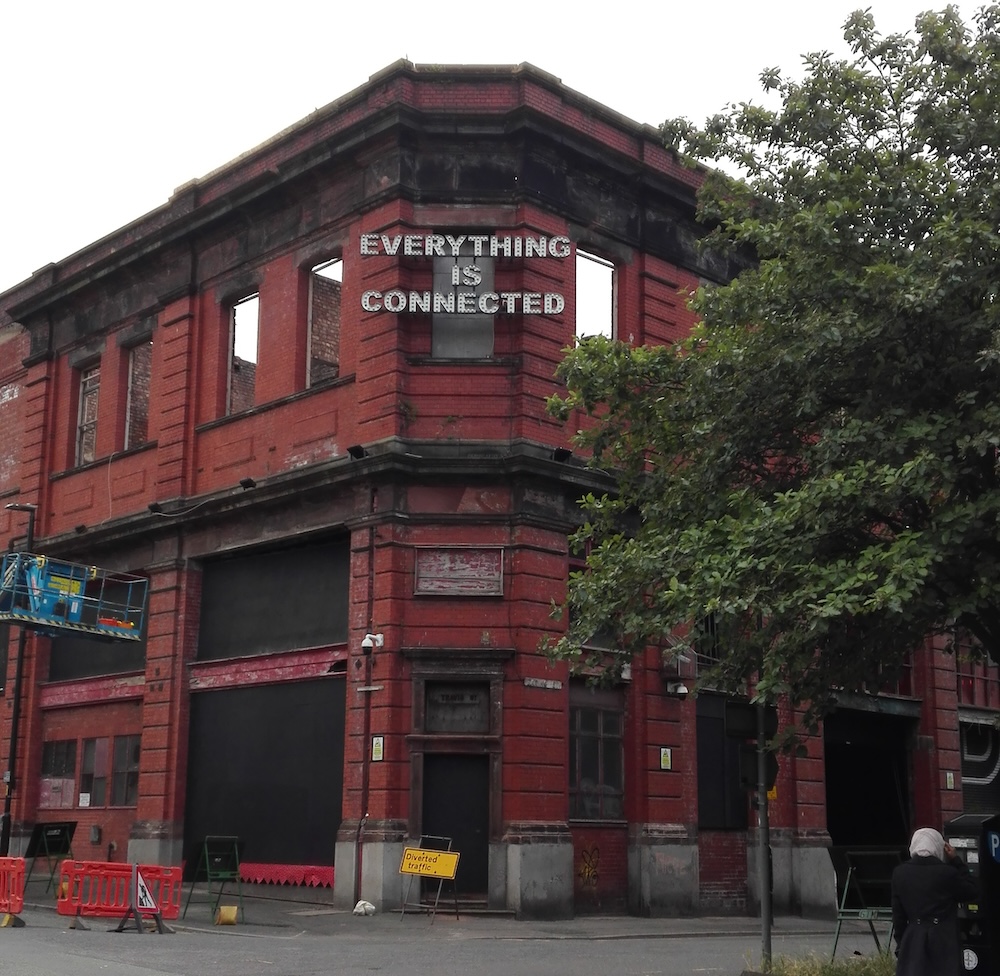
[Image: Everything is Connected sign on the exterior of the Mayfield Depot in Manchester. Photo by Katharina Maria Kalinowski.]
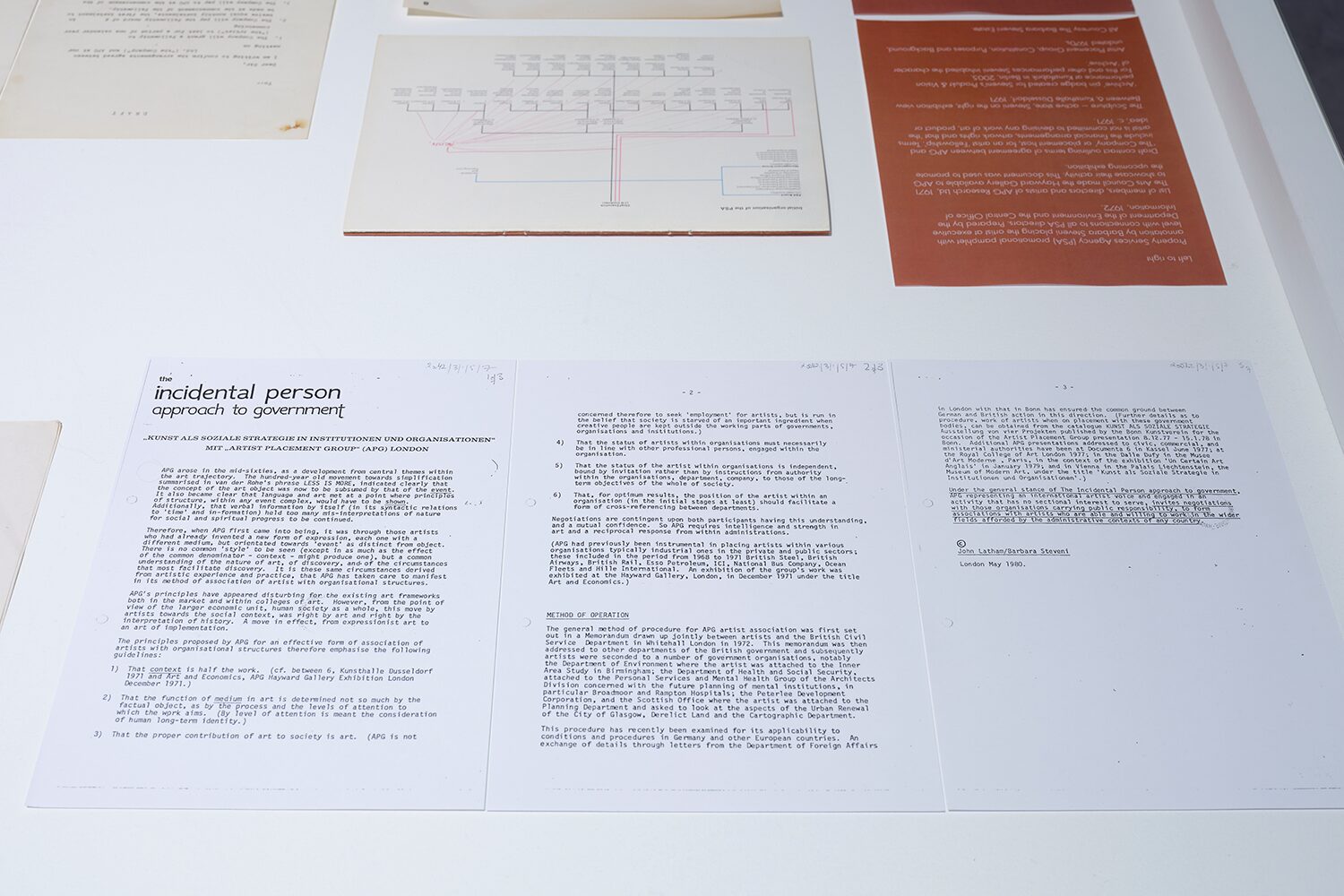
Join us for a reading group in the form of an arpentage session, looking at a series of texts responding to the Artist Placement Group, and specifically the integral role of Barbara Steveni within socially engaged practice. The texts have been selected by guest curator Gareth Bell-Jones. The reading group will take place on Tuesday 24 March 2026, from 5.30pm-7.30pm on site at Void Art Centre.
An arpentage means to read a book or text in its entirety by splitting it into sections that can be read individually before a collective discussion. This method of reading originated in 19th century workers’ circles, and aims to share knowledge collectively amongst a group. This marks our second arpentage, which was first introduced by Void by practitioner Elena Lespes Munoz during a research visit.
Please let us know if you have any access requirements by messaging us at hello@derryvoid.com, or calling us at +44 (0) 28 7130 8080.
Join us for the second in a series of reading groups that respond to the ways in which institutional governance and practices of production are being interrogated and re-configured. The selected readings and listenings will have a focus on the alternative ways in which we can produce, present and distribute art projects, as well as question modes of hyper-production and novelty within organisational models. The first session will take place on Wednesday 21 January 2026, from 5.30pm-7.30pm.
Readings will be shared in advance of the session via email, along with a Zoom link, so please do sign up via Eventbrite to attend.
In 2024, Void Art Centre announced that we would move to a Social Permaculture model to shape our working practices. This began a period of institutional transition, in which we are still in, and has enabled us to rethink embedded modes of institutional practice. With this as a context, we are keen to create opportunities for learning together, thinking through potential models for future organisations.
Counter-mapping the river is a workshop with ecofeminist activist, writer and researcher V’cenza Cirefice and artist Emily McFarland.
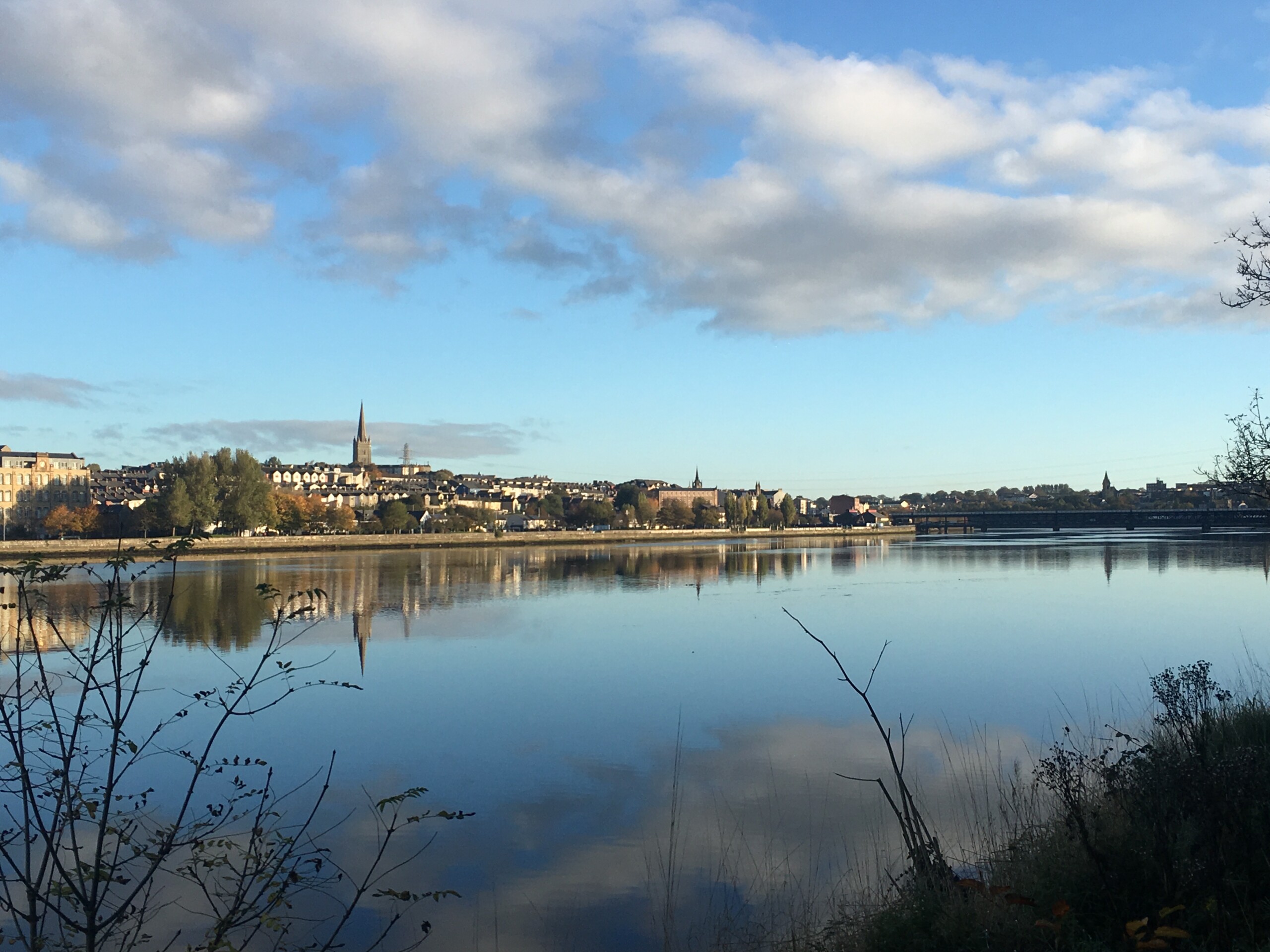
The workshop will focus on counter-mapping methods and during the event, we will work together to collectively gather, walk, observe, listen, collect, discuss and record the River Foyle in Derry city. These gathered materials – sounds, images, drawings and personal reflections – will feed into the cumulative Living River Archive, a poetic and evolving record of evidence and care from the river in response to the potential environmental impact of extractive industries on the water, land, air, and community.
This is a public workshop, with limited spaces, to sign up check out Void’s website derryvoid.com, or the following link:Please note that this event will involve being outside, so appropriate footwear and clothing is suggested for the weather. For access needs, please get in touch with us at cecelia@derryvoid.com.
We’re keen to support car shares to our events if visiting from out of town or rural areas with limited public transport. If you’re planning on travelling from afar via car, and have space you wish to share with another person, let us know the general location from which you’re travelling, and the space you wish to make available in your vehicle at cecelia@derryvoid.com.
Join us for Communities of Practice, a gathering that invites those working with communities and the public to share experiences, challenges and strategies with one another, encouraging connection across the sector in the North West.
This specific session of Communities of Practice will continue conversations from the first session, which looked at collaboration as a potential site of tension, divergences and resistance. Together, we will continue these open conversations and discuss the ways in which we are seeking long-term, equitable working with communities and artists within engagement practice.
Communities of Practice stems from a session held by curator Elena Lespes Muñoz during her visit to Void in April 2025. The session sought to share experiences of working and collaborating with communities, collectively exploring how both our successes and dynamics of dissonance can be leveraged as opportunities for creative self-reflexivity.
This is a free event. To attend, please register here.
This first in a series of reading groups that respond to the ways in which institutional governance and practices of production are being interrogated and re-configured. The selected readings and listenings will have a focus on the alternative ways in which we can produce, present and distribute art projects, as well as question modes of hyper-production and novelty within organisational models. The first session will take place on Wednesday 9 July 2025, from 5.30pm-7.30pm.
The first text that we will explore is Adrienne Maree Brown’s ‘Intentional Adaptation: How we Change’ which lays the foundation for questioning how we live in a world that’s constantly changing, and strategies for how we can adapt ‘towards pleasure’. Alongside this text, we invite attendees to share their thoughts, experiences and further readings, watchings or listenings, with the aim of creating a collective resource.
In 2024, Void Art Centre announced that we would move to a Social Permaculture model to shape our working practices. This began a period of institutional transition, in which we are still in, and has enabled us to rethink embedded modes of institutional practice. With this as a context, we are keen to create opportunities for learning together, thinking through potential models for future organisations.
ℹ️ This reading group will take in person and online. You will be asked to register for an in person or online place.
Join Void Art Centre and Elena Lespes Muñoz, Head of Public Outreach at Bétsonsalon, for an experimental reading group as part of the curator’s visit to Derry next week.
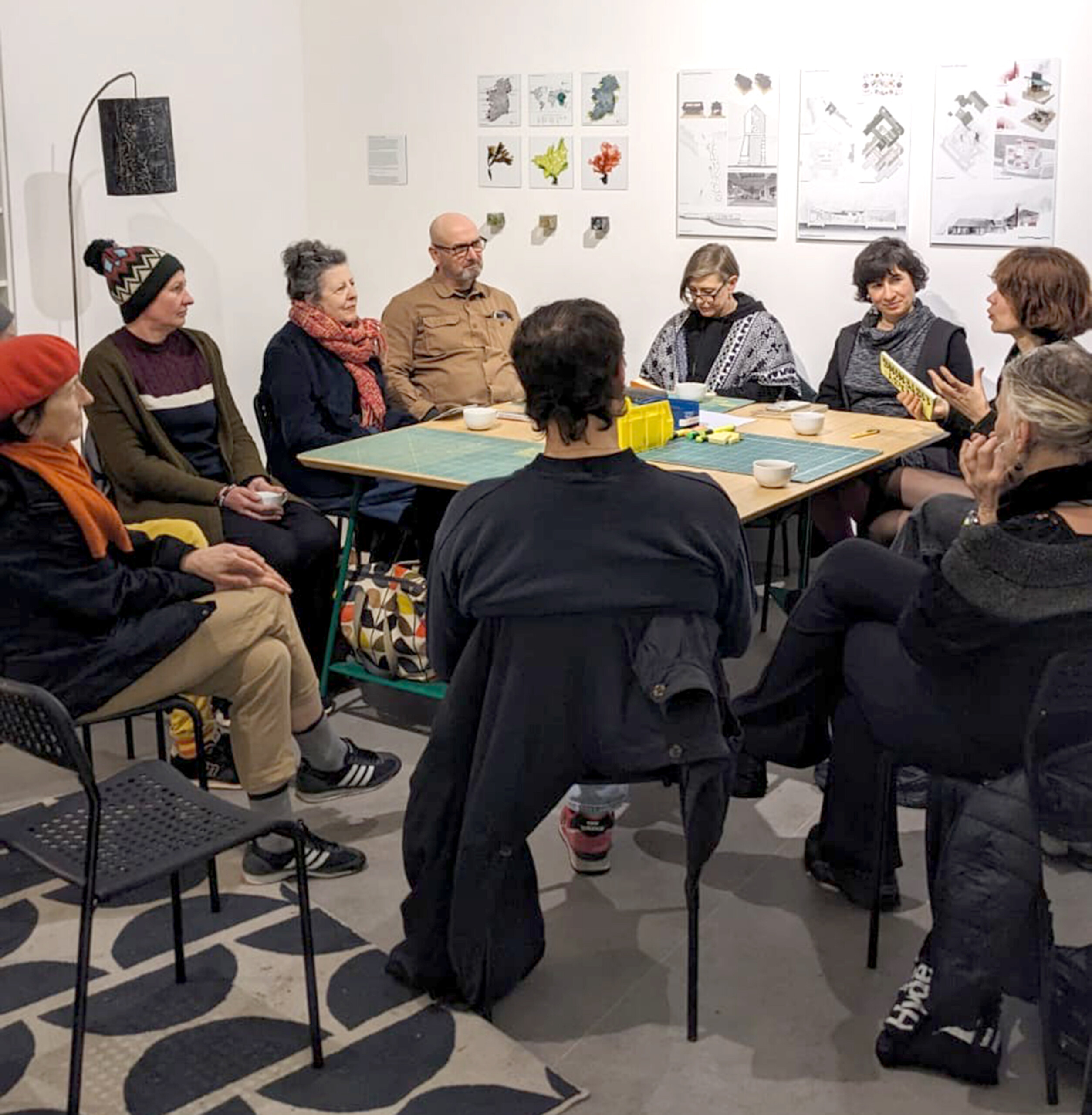
The reading group will take the form of an arpentage, a term that comes from the lexical field of land surveying, usually referring to the measurement of a plot of land’s surface area For this reading group, Elena will approach arpentage as a collective form of reading that originated in 19th century workers’ circles, involving cutting the book (yes, really!), distributing sections to be read individually before a collective discussion. The excerpts from different readers help to create connections, clarify what was unclear in another’s passage—almost like conducting an investigation together.
For this session, we will read the text ‘Uneasy Listening: Notes on Hearing and Being Heard’ by Anouchka Goose and Robert Brewer Young which asks: What makes a good listener? Is it a skill one can easily learn or more of a quirk or talent? And why do some people seem to be so much better at it than others?
Written by a psychoanalyst and a violin maker, Uneasy Listening is a dialogue between two very different kinds of professional listener: the former working with speech, the latter with musical instruments. The result is a kind of awkward duet in which two thinkers and practitioners accommodate, interrupt, and perplex each other in an attempt to say something about what listening means.
Elena Lespes Muñoz Biography
Elena is an art historian and curator. After a field research in South America, during which she conducted interviews with art historians and artists on “conceptualisms”, she carried out PhD research on the history of exhibitions at the University of São Paulo’s Museum of Contemporary Art (MAC-USP) during the 1970s. She worked as a project coordinator in contemporary art at KADIST (Paris), Artesur (dedicated to contemporary art from Latin America) and at the Aline Vidal gallery. At the same time, she has conceived and accompanied projects as curator for Bétonsalon, CAC Brétigny, Salle Principale, Palais de Tokyo (Paris, France) and Frac Sud (Marseille, France). After working at CAC Brétigny, she joined the Bétonsalon team as Head of public outreach in 2022. She has contributed to various art reviews, such as Zérodeux, Switch on paper, Insert and Marges and contributed for several artist’s books and exhibition catalogs. She teaches at University Paris 8 Vincennes-Saint-Denis.